The Aesthetic of Efficiency: Renewable Energy as a Creative Frontier
— by
Steven Haynes
{
“title”: “The Aesthetic of Efficiency: Renewable Energy as a Creative Frontier”,
“meta_description”: “Discover how renewable energy is redefining the intersection of art and industry. Learn how leaders apply sustainable frameworks to creative operations.”,
“tags”: [“renewable energy”, “creative strategy”, “sustainable design”, “artistic innovation”, “operational excellence”, “industry trends”],
“categories”: [“Business”, “Culture, Indie and Trends”],
“body”: “
The Convergence of Power and Perception
For decades, the energy sector remained invisible to the artist, tucked away in inaccessible utility plants and sprawling infrastructure. Today, the transition to renewables has pulled this machinery into the light. Solar panels, kinetic sculptures, and bio-luminescent installations are no longer mere utility components; they are increasingly becoming the medium itself. For the high-performer, this represents a shift from viewing energy as a cost center to treating it as a core component of visual and functional identity.
Understanding this transition requires a shift in strategic thinking. Artists and curators are now collaborating with engineers to turn energy generation into a sensory experience. This isn’t just about ‘going green’; it is about the design of systems that generate their own momentum, a principle central to operational excellence.
Kinetic Art and the Engineering of Experience
True innovation occurs where disparate fields intersect. Renewable energy provides a new toolkit for artists to manipulate motion, light, and duration. Kinetic art, which was once limited by mechanical constraints, now thrives on the unpredictability of wind and thermal flow. By integrating small-scale renewable hardware into artistic frameworks, creators are building installations that react to their environment in real-time.
This creates a parallel to high-performance environments where systems must be adaptive. An artwork that powers itself through solar exposure or wind harvesting requires the same attention to efficiency and output as a lean manufacturing process. When artists prioritize the lifecycle of their materials and the sustainability of their energy source, they demonstrate a commitment to longevity that is increasingly vital in modern markets.
Designing for Resource Autonomy
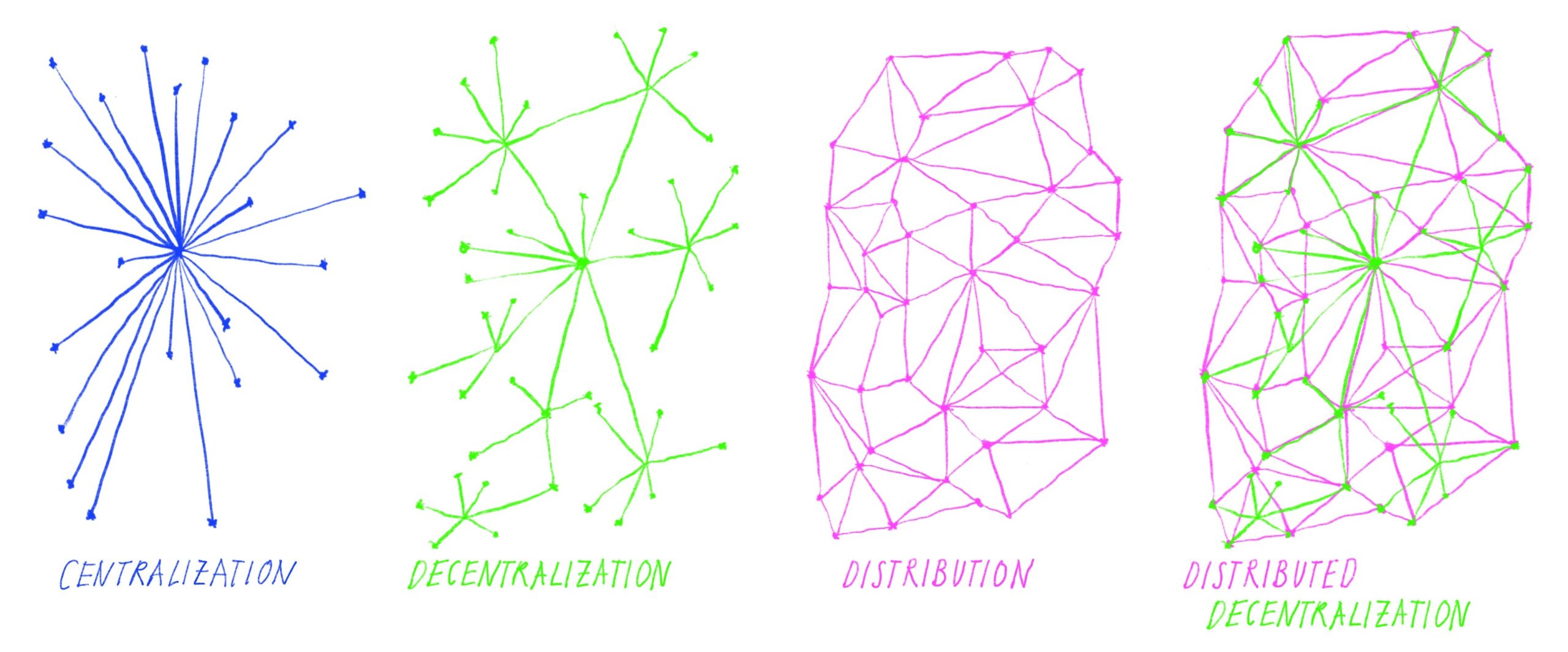
The decentralization of power has implications that extend far beyond the gallery. As renewable technology becomes more accessible, artists are moving toward autonomy, breaking the reliance on centralized grids to sustain large-scale, site-specific installations. This shift mirrors the autonomy required in modern entrepreneurship, where the ability to control one’s own resources is a defining trait of resilience.
Leaders can learn from this creative application. When we rethink the energy footprint of an artistic project, we are forced to re-evaluate the utility of our assets. By treating the energy source as a design constraint rather than an afterthought, artists create more durable, impactful, and intelligent work. This is the essence of high-performance thinking: optimizing for the constraints of the environment while pushing the boundaries of what is possible.
Operationalizing Sustainable Creativity
The integration of renewable energy into art is a roadmap for how to manage complexity. Those who succeed in this space do not just add solar panels to a structure; they design the structure to optimize the light. This requires high-level decision-making, weighing the aesthetic outcome against the energy yield. It is a balancing act of form and function that demands rigorous planning and a deep understanding of the underlying technical systems.
For the professional leader, the lesson is clear. Whether you are building an organization or a masterpiece, efficiency is not just about reducing waste—it is about the intentional design of energy flow. As the lines between technology and creative practice continue to blur, those who treat their resources with the discipline of an engineer and the vision of an artist will define the next era of their industry. Explore the wider landscape of innovation at The BossMind.






Leave a Reply